A windshield looks like a simple sheet of glass, yet it carries more responsibility for your safety than most drivers realize. In Columbia’s mix of downtown stop‑and‑go traffic, interstate miles on I‑26 and I‑20, and rural routes peppered with gravel trucks, your front glass is constantly working. It braces the roof during a rollover, anchors the passenger side airbag, supports driver‑assist cameras, shields your eyes from debris, and gives you the optical clarity to spot a cyclist in Five Points at dusk. When it is pitted, cracked, or improperly installed, you lose more than elegance. You trade away structural integrity and seconds of reaction time, and those seconds matter.
The structural backbone you can’t see
Modern vehicles rely on the windshield as part of the safety cage. Engineers design the glass to bond to the frame with a high‑strength urethane, turning it into a stressed member that helps resist roof crush. During a rollover, up to 45 percent of cabin support can be influenced by the windshield’s bond. If that bond fails because the glass was set on contaminated paint or a low‑quality adhesive, the roof can deform faster and farther. You will not notice this at highway speeds on a sunny day. You notice it in the rare moment when forces spike and you need every ounce of design strength the car had on the day it left the factory.
There is a second function many owners overlook. On most vehicles, the passenger airbag deploys and rides up the windshield before ballooning toward the occupant. If the glass is loose or the urethane hasn’t cured to spec, the bag can push the windshield out rather than rebound off it. As a result, timing and direction change, and the occupant protection that looked perfect in a lab becomes unpredictable. That is why conscientious technicians in auto glass repair Columbia take curing windows seriously instead of rushing you back on the road before the adhesive has time to reach safe‑drive strength.
Chips, pits, and cracks are not cosmetic
It starts small. A pea‑sized impact from a dump truck on Elmwood, a wiper blade car window replacement columbia dragged across pollen grit, a sudden temperature swing when you crank the defroster on a cold morning by the river. Microscratches and pits scatter light. They create haze at night, halos around headlights, and glare off wet asphalt. Your eyes work harder to resolve detail, especially in rain. Fatigue creeps in sooner.
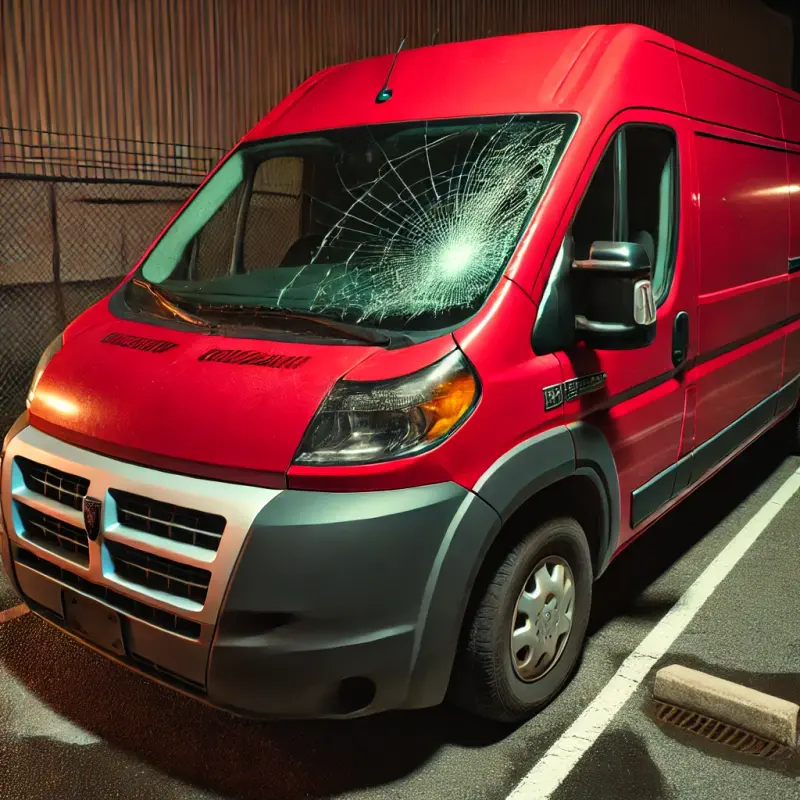
Then there are chips. If a chip has not spidered and is smaller than a quarter, windshield chip repair Columbia services can often save the original glass. A proper repair uses vacuum and resin to fill the void and restore strength to the area. It should be nearly invisible from the driver’s seat. Good technicians will be honest about the odds, because not every chip is a candidate. Star breaks on the driver’s primary sightline, edge cracks within a couple of inches of the trim, or damage with crushed glass that will not accept resin are poor candidates for repair.
Cracks follow a different rule. A crack across the driver’s field of view, even a thin one, catches sunlight and oncoming lamps. With South Carolina’s heat, those hairlines grow. A straight six‑inch line on a mild day expands past a foot after your car bakes at the Vista parking lot. At that point, replacement is not a luxury; it is a safety choice.
Replacement versus repair, and how to decide
I like to keep it simple. If the damage sits away from the edges, is small, and does not obscure your primary sightline, repair is worth trying. It preserves the factory seal and often takes less than half an hour. If the damage is on an edge, in front of cameras or sensors, long enough to cause glare, or accompanied by multiple pits that make night driving tiring, replacement brings you back to full confidence. The best auto glass shop in Columbia will walk the car with you, point to each issue, and recommend a path based on safety rather than a blanket rule.
One more judgement call involves age. A five‑year‑old windshield with thousands of miles of sand and pollen etching may technically be repairable. The chip can be stabilized. But the cumulative haze still reduces contrast in rain. In that case, drivers who spend time on I‑77 at daybreak or commute on Two Notch after dark see a real benefit in starting fresh.
The quiet luxury of optical clarity
Luxury is not only leather and stitching. It is the way your eyes relax when you look through clean, undistorted glass. High‑quality laminated windshields use carefully controlled interlayers and glass composition to minimize distortion. You can tell when you pass a row of vertical posts and the lines stay straight even at the corners. Low‑grade glass ripples those lines, and your brain works overtime to correct it. After an hour on the highway, you feel that effort.
There is also acoustic performance. Premium windshields can include an acoustic PVB layer that knocks down wind noise and the low drumming at interstate speeds. When you get used to a quieter cabin, you notice the difference. If you are already invested in a refined vehicle, matching it with a comparable windshield keeps the interior calm. Ask your installer what options exist. Not every trim level shipped with acoustic glass, yet in many cases, an upgrade fits without changes. When sourced through reputable channels, the cost difference is measurable but not extreme, and the daily benefit is constant.
ADAS, cameras, and why calibration is non‑negotiable
Most late‑model vehicles in Columbia carry at least one driver‑assist feature. Forward collision alert, lane departure warning, traffic sign recognition, adaptive cruise control, automatic high beams, or a blend. The hardware that powers these systems often sits right behind the windshield near the rearview mirror. Even a perfect windshield replacement Columbia job changes the camera’s relationship to the road by a few millimeters. That sounds trivial. It is not.
Think of a lane‑keep camera that expects a known bend in the glass and a set distance to the hood. Change either, and the image shifts. If you skip windshield calibration Columbia services after replacement, your car might believe the lane center is an inch to the left of where it really is. That can nudge you when you do not expect it or, worse, fail to warn you when you count on it. Proper calibration uses targets, scan tools, and space. Some vehicles accept a static calibration in the shop. Others require a dynamic procedure that involves driving specific speeds on marked roads so the system can relearn. A good shop explains which method your vehicle needs and builds the time into the job. If someone says you do not need calibration because they set the glass “exactly where it was,” find another shop.
Columbia specifics: heat, humidity, and road habits
Columbia brings its own set of challenges. Summer heat pushes cabin temps high enough to accelerate crack growth and increase stress at edges. Afternoon storms bring sudden cooling and pressure changes when cold rain hits hot glass. Pollen season is not just a visual nuisance. The fine dust is mildly abrasive. Dry‑wiping with wipers turns the windshield into sandpaper, leaving micro‑scars that catch night glare. Rinse before you wipe.
Construction and road resurfacing around Northeast Columbia and the Harbison area mean loose aggregate. Small pebbles get kicked up by traffic, especially trucks merging with speed. Keep distance behind gravel haulers and landscaping trailers, and avoid tailgating on freshly chipped roads. It is not paranoia. It is an easy way to spare yourself a repair.
What a careful replacement looks like
A skilled technician approaches your vehicle with patience. They protect the paint and dashboard, then cut the old urethane without digging into the body. The windshield aperture gets cleaned to sound paint, not bare metal, and any scratches get primed to prevent rust. The new glass is dry‑fit to confirm alignment, then set with calibrated blocks. The urethane bead is applied in a continuous, even triangle, which matters for contact and squeeze‑out. The glass goes in with suction cups and a confident, controlled motion. The technician checks for uniform reveal around the perimeter, sets the cowl and clips properly, and reinstalls trims without stress points.
The final step is not a wave and a receipt. It is a safe‑drive‑away time. Premium urethanes can reach crash‑tested strength in roughly one to three hours depending on temperature and humidity. On a chilly morning, it takes longer. The person who cares about your safety will tell you to wait, even if you look impatient. Then comes the calibration if your vehicle requires it. Only after the systems pass and the glass meets optical standards should the car go back into service.
Mobile service, done right
Life does not pause for glass. That is why mobile auto glass repair Columbia is popular. It can be done to a high standard. The rig matters. A well‑equipped mobile van will carry a climate‑controlled adhesive stock, primers, OEM‑approved urethanes, proper lift tools, and calibration equipment if your vehicle supports mobile calibration. The environment matters too. A level, dry surface, shelter from wind or dust, and temperature within the adhesive’s working range. If a tech declines to install during a thunderstorm or on a dirt lot with a stiff breeze, they are protecting your car. Mobile convenience should not mean compromised adhesion.
With mobile repair, chips are straightforward. Clean, vacuum, resin, cure. For full replacements, ask how the team manages safe‑drive time and calibration. If a dynamic calibration requires a certain stretch of marked roadway and speed, they should plan the route right after the set to keep the timeline efficient.
When speed is part of safety
There are days when you need glass today. A sudden crack across the driver’s view on your morning commute. A break‑in near the stadium that shatters a side window. Same day service is not a marketing gimmick when it keeps you off the road with compromised visibility or prevents water damage to electronics. The best providers offering same day auto glass Columbia prioritize safety steps within the tighter schedule rather than skipping them. That means stocking common windshields, having multiple techs available, and communicating honestly about cutoff times for safe curing. If it is already late afternoon and humidity is high, a responsible shop will either use a fast‑cure adhesive that still meets Federal Motor Vehicle Safety Standards or schedule you early the next morning and help secure the vehicle overnight.
Side and rear glass deserve equal attention
Windshields get most of the conversation, but car window replacement Columbia services include door glass and quarter panels. Side glass is tempered, designed to shatter into small pieces. After a break, the cleanup matters as much as the replacement. Tiny cubes hide in window tracks and door cavities. If they are not removed, the new glass grinds against them and scratches. A meticulous technician vacuums the door thoroughly and blows out channels, then re‑aligns the regulator so the pane runs smoothly without cocking in the frame. You should get the car back with clean seals, proper one‑touch function reset, and no rattles.
Rear windshield replacement Columbia introduces defroster lines and, often, antennas embedded in the glass. A casual scraper can gouge those lines during adhesive cleanup, leaving you with a cold fog you cannot clear on a rainy winter morning. On SUVs, power liftgate glass and hinges require careful alignment so latches close without strain. If your vehicle has a rear camera integrated into the glass or spoiler, verify that it displays and centers correctly before you leave.
Insurance, quality, and your right to choose
Drivers often assume insurance dictates where to go. In South Carolina, you have the right to choose your provider for insurance auto glass repair Columbia. Insurers partner with networks to streamline claims, but the choice is yours. Two points matter here.
First, quality of glass. OEM glass is made to the automaker’s spec by approved manufacturers. OEE, or original equipment equivalent, can be excellent when sourced from the same factories without the automaker’s branding. Aftermarket varies. In my experience, reputable OEE pieces fit well and look clear, while bargain glass may distort slightly at the edges or sit proud at the moldings. When ADAS cameras are involved, sticking with OEM or high‑grade OEE is smart money.
Second, labor and calibration. A low shop rate can shrink the time spent protecting paint, aligning trims, and performing calibration. Your policy should cover calibration as part of returning the vehicle to pre‑loss condition. If someone suggests skipping it to save money, that is a red flag. Document your features, insist on proper procedures, and involve your adjuster early. A good shop handles the paperwork and keeps you informed rather than burying you in jargon.
How to recognize the best shop for the job
You can tell a lot before anyone touches your car. The conversation feels unhurried. You get direct answers on glass brands available for your vehicle, adhesive type, curing time, and whether your model requires calibration. If the car has rain sensors, heated wiper park, HUD, or acoustic interlayers, the shop acknowledges each and explains how they preserve those features. The workspace looks organized. Techs handle glass with clean gloves. Vehicles in the bays have fender covers and covered dashboards. When you ask about warranty, you hear specifics on water leaks, wind noise, stress cracks, and workmanship for as long as you own the vehicle.
Here is a quick confidence checklist you can keep on your phone before scheduling:
- Do they confirm your exact trim, features, and VIN to source the correct windshield and brackets? Can they perform or coordinate windshield calibration Columbia for your make, and will they provide a calibration report? What adhesive do they use, and what is the safe‑drive‑away time for today’s forecast? Will they show you the glass brand and part label before installation? How do they handle water leak tests and post‑install quality checks?
If you can get five clear answers without hesitation, you are in capable hands.
The human factor: stories from the shop floor
Two moments stick with me. A late‑model sedan arrived after a highway stone strike left a long crack at the lower edge. The owner planned to wait it out until inspection time. What changed her mind was a rainy night on Forest Drive when oncoming lights turned the crack into a bright, jagged line right across her focus point. After replacement with an acoustic windshield and proper static camera calibration, her note a week later was simple: “I didn’t realize how hard I’d been working to see.” That is the kind of subtle luxury a clean, correct install gives you every mile.
Another was a pickup that came from a quick, cheap install elsewhere. The cowl clips had been forced. A corner of the glass sat high, and wind hissed around 55 mph. The adhesive bead was thin near the top, and the rain sensor failed intermittently. We removed the glass, cleaned the pinchweld, treated a scratch that had just started to rust, replaced the clips, and reset with a proper urethane. The difference in highway calm was immediate, and the repair likely prevented corrosion under the trim that would have surfaced years later as a stain. Shortcuts hide. They always show themselves eventually.
Caring for your new glass
The first days set the tone for years of clarity. Avoid slamming doors with the windows up for 24 to 48 hours. Pressure spikes can disturb fresh urethane. Keep the dashboard clear of suction‑cup mounts and avoid car washes with high‑pressure wands aimed at the edges for a couple of days. Leave the blue tape in place until the next day if your technician applied it. It is not cosmetic; it holds trim steady while the adhesive firms up. After that, treat your windshield like a lens. Replace wiper blades at the first sign of streaking, not the tenth. Rinse pollen and grit before running wipers. Use a clean microfiber and a glass‑safe cleaner that will not leave silicone residue. Small habits pay dividends in night clarity and reduced glare.
If you had calibration, watch your driver‑assist behaviors for the first drive or two in familiar conditions. Lane centering should feel natural. If it tugs or warns in places it never did before, call the shop. The best providers welcome feedback and will recheck targets and alignment without hesitation.
What makes safety feel like luxury
Safety rarely feels luxurious until you experience it as a kind of ease. A correctly installed, optically clear windshield with a quiet interlayer, cameras calibrated to perfection, and trims that sit flush does not demand attention. It removes friction. Your shoulders lower on the interstate. You see through evening rain without squinting. When gravel pings off the glass on the way to Lake Murray, you know a competent team in Columbia can repair the spot properly or replace the glass with respect for the car’s design and your time.
Whether you need quick windshield chip repair Columbia on your lunch break, full windshield replacement Columbia with ADAS calibration, or discreet mobile auto glass repair Columbia at your office, choose people who practice the craft. If a rear pane shatters and you need rear windshield replacement Columbia before a weekend trip, insist on careful defroster handling. If a side window breaks, expect a thorough cleanup and smooth regulator operation. And if insurance is involved, remember you have a say. Excellence is not loud. It is simply the way every detail, from adhesive chemistry to camera alignment, lands exactly where it should.
A short plan if you are deciding right now
- Photograph the damage in daylight, including the edges, and note any features near it such as sensors. Call a reputable shop and ask for glass brand options, adhesive details, safe‑drive time, and calibration requirements for your VIN. If repair is possible, schedule it soon. If replacement is needed, arrange transportation that respects curing time and calibration. If you prefer convenience, ask for mobile service and verify they can meet environmental and calibration needs at your location. Notify your insurer if you plan to use coverage, but keep your right to choose the best auto glass shop in Columbia at the front of the conversation.
The right glass work raises the floor of your daily experience. It is a quiet luxury and a decisive safety choice at once. In a city with weather swings, busy roads, and long commutes, that combination matters every mile.